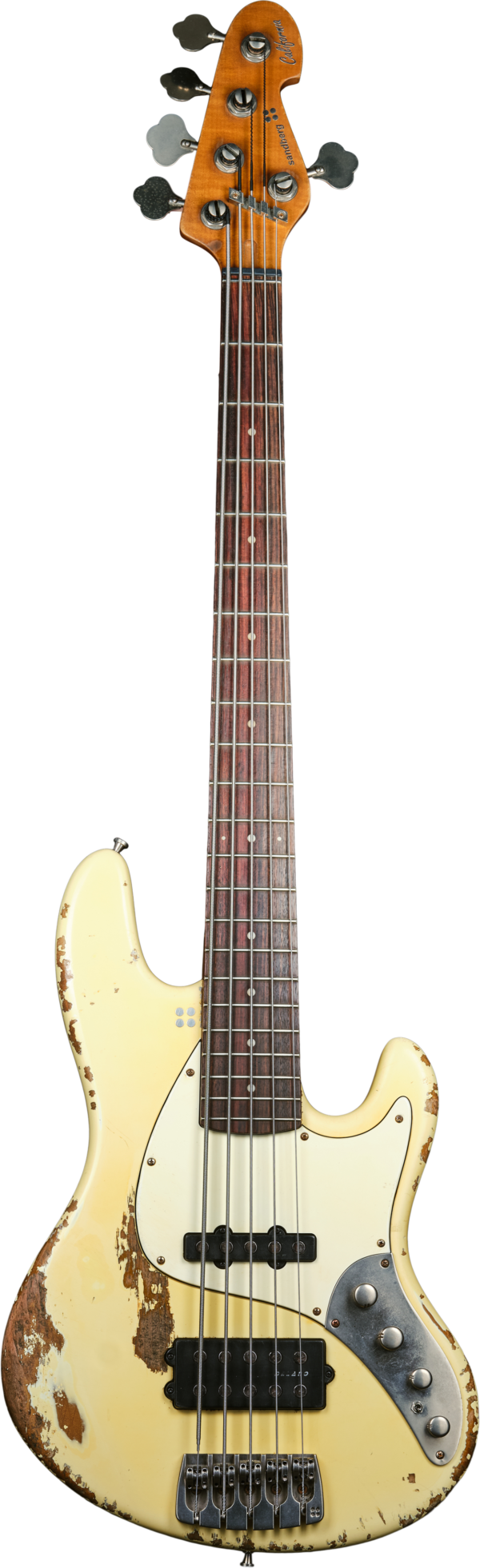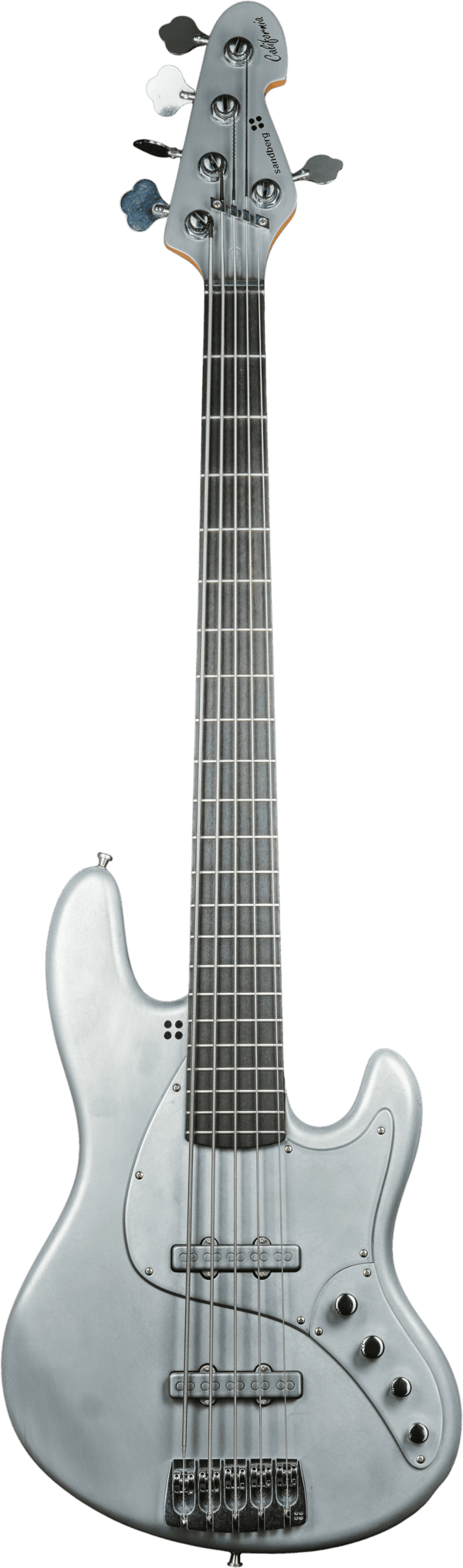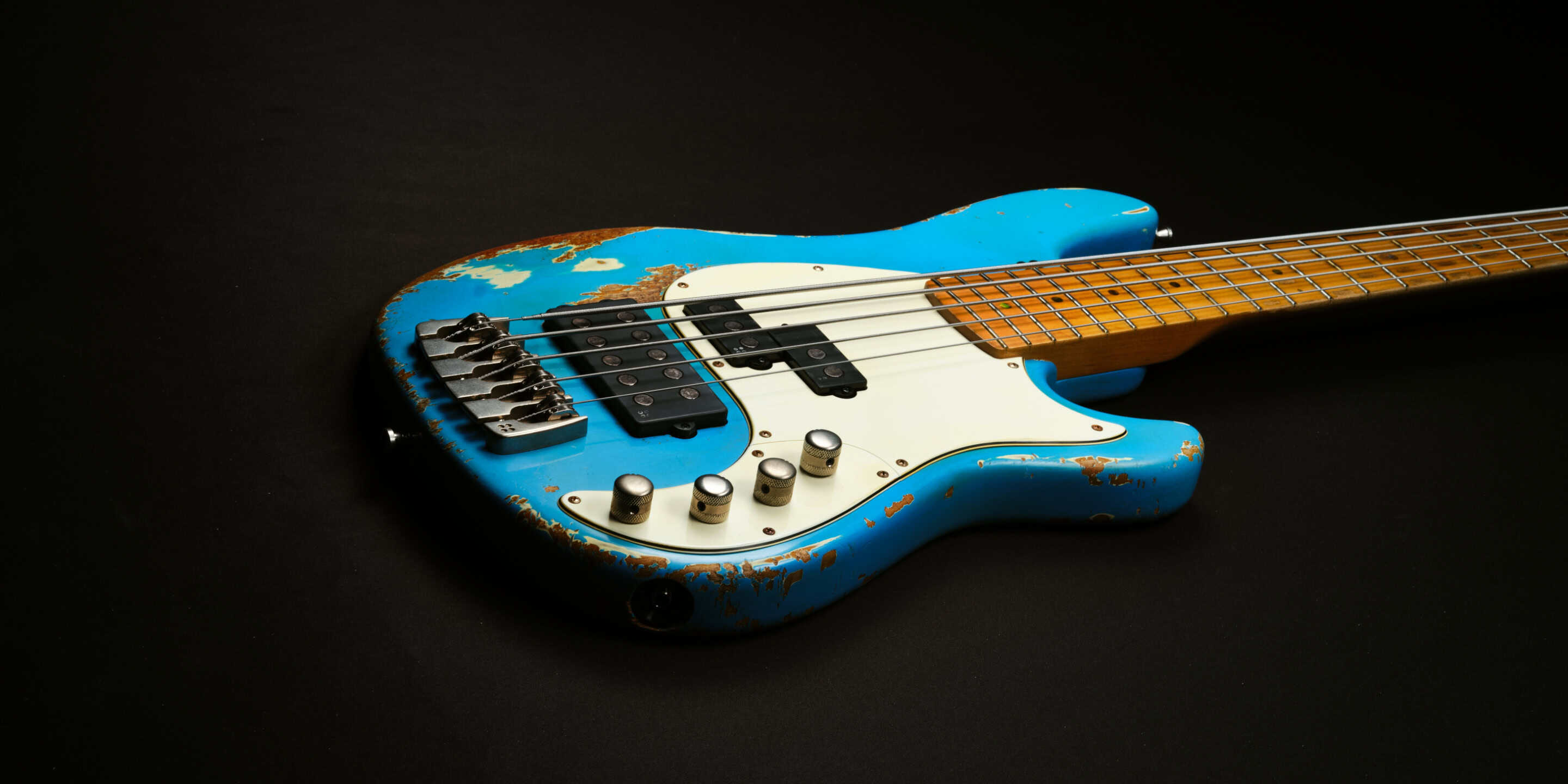
Sandberg Basses VM5 Marley Blue Masterpiece
In stock
VM5 Marley Blue Masterpiece
The top rung of aging
This is the VM5 in Marley Blue from Sandberg, out of Braunschweig, Germany. It weighs 4.03 kg. Masterpiece is the top rung of Sandberg’s aging ladder. In fact, it’s the tier where one person in Braunschweig spends the better part of a week on a single instrument.
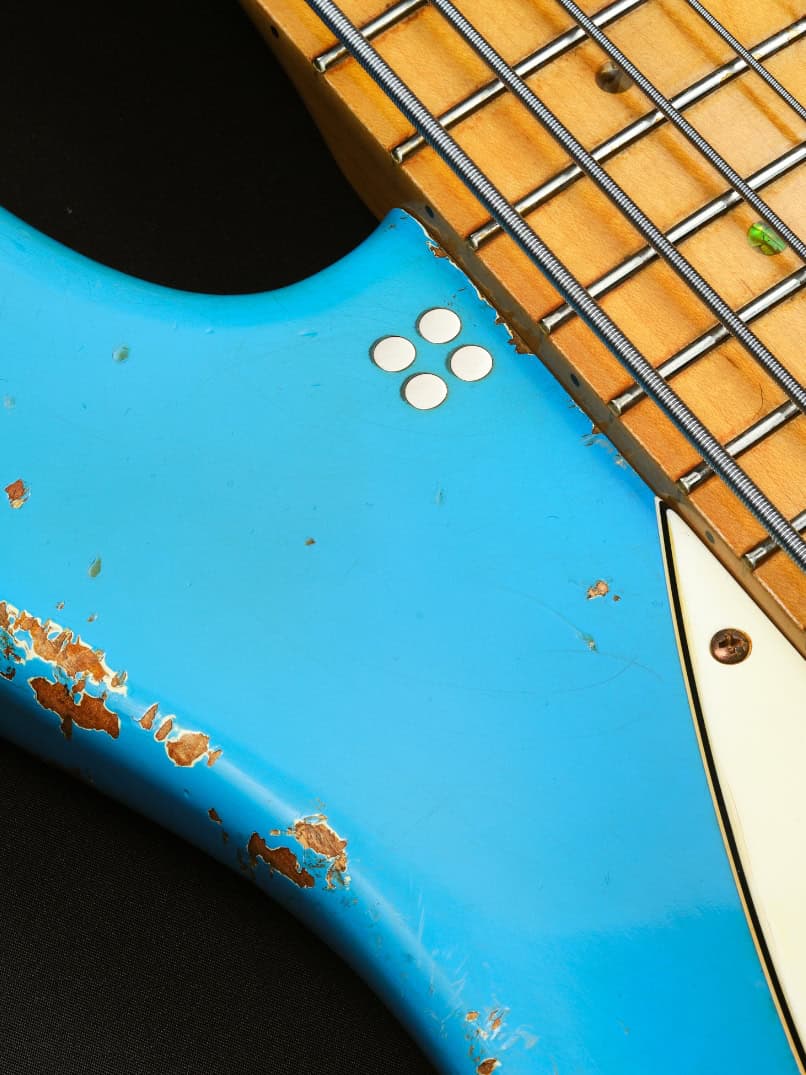
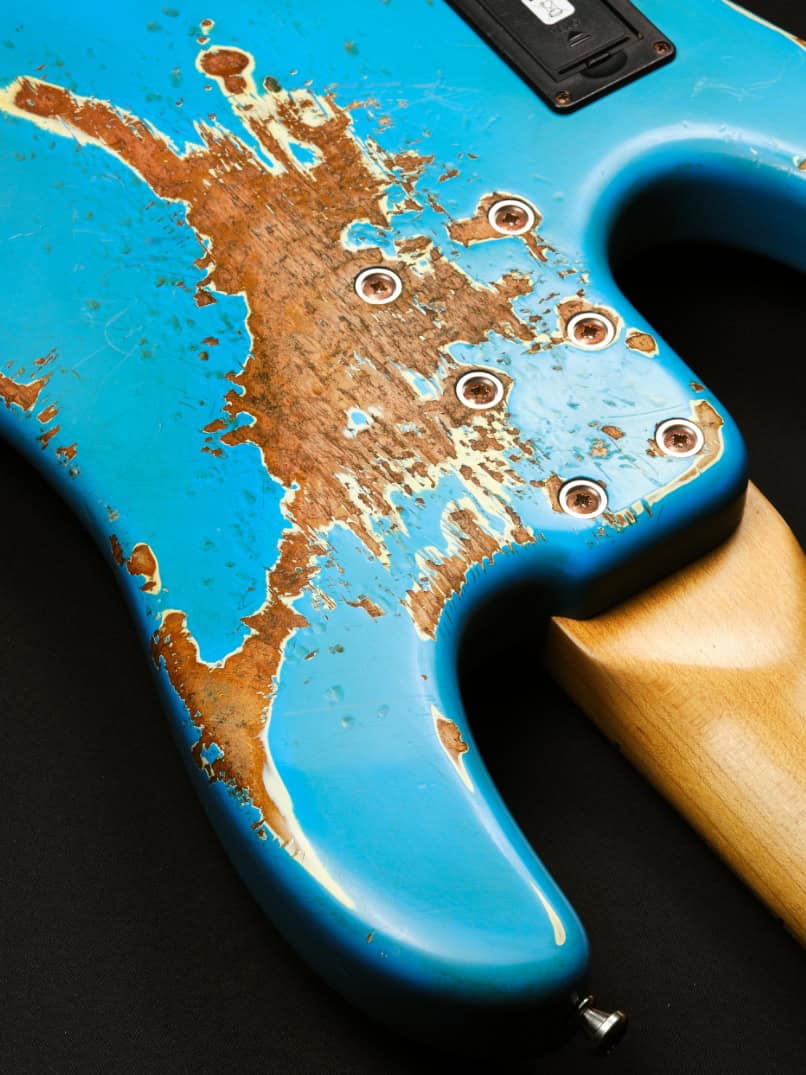
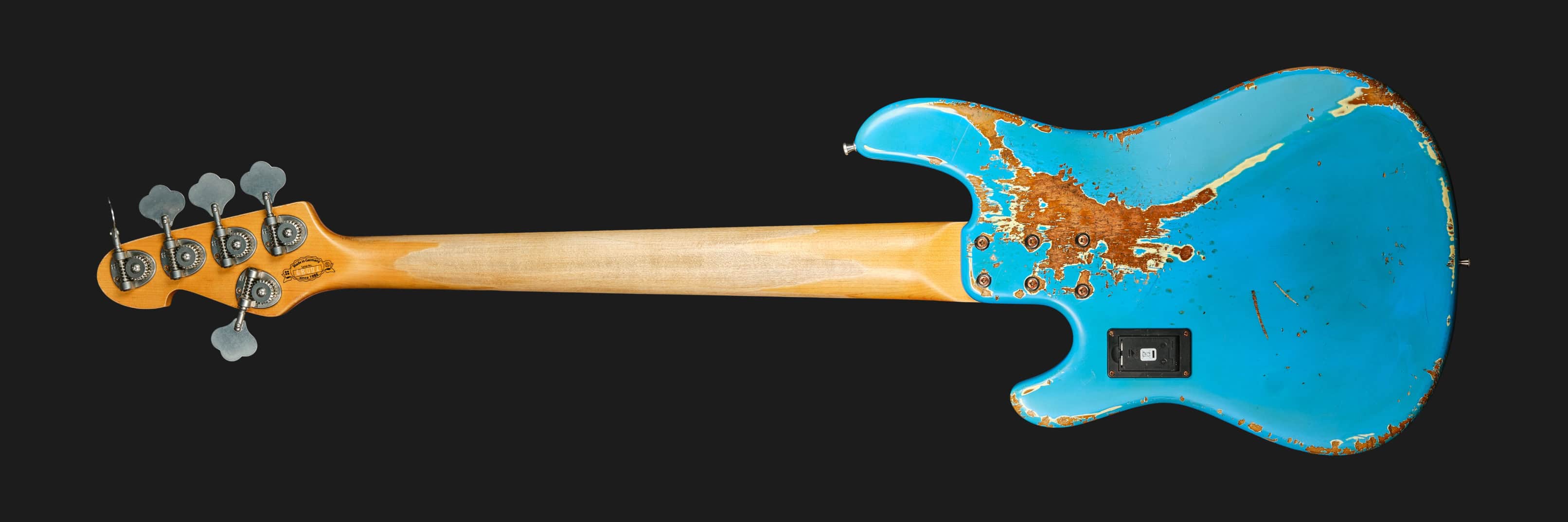
The paint goes on thin. However, it then comes back off by hand in exactly the places a working bass loses it. For example, it wears at the forearm, the lower bout and the belt-buckle zone on the back. Likewise, it wears along the edge your ribs sit against.
Moreover, none of it is printed, and none of it is a token scuff at the strap button.
Marley Blue over cream
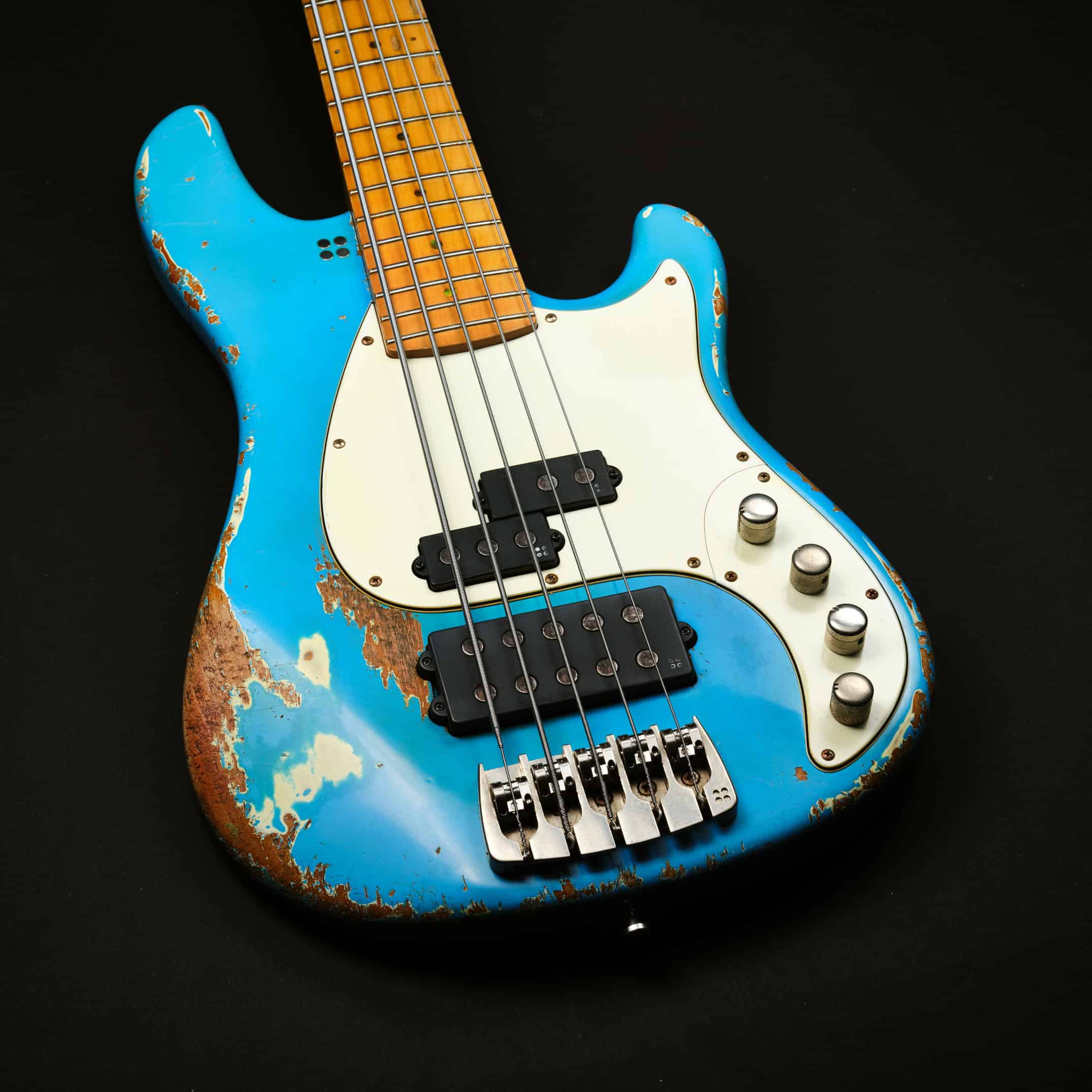
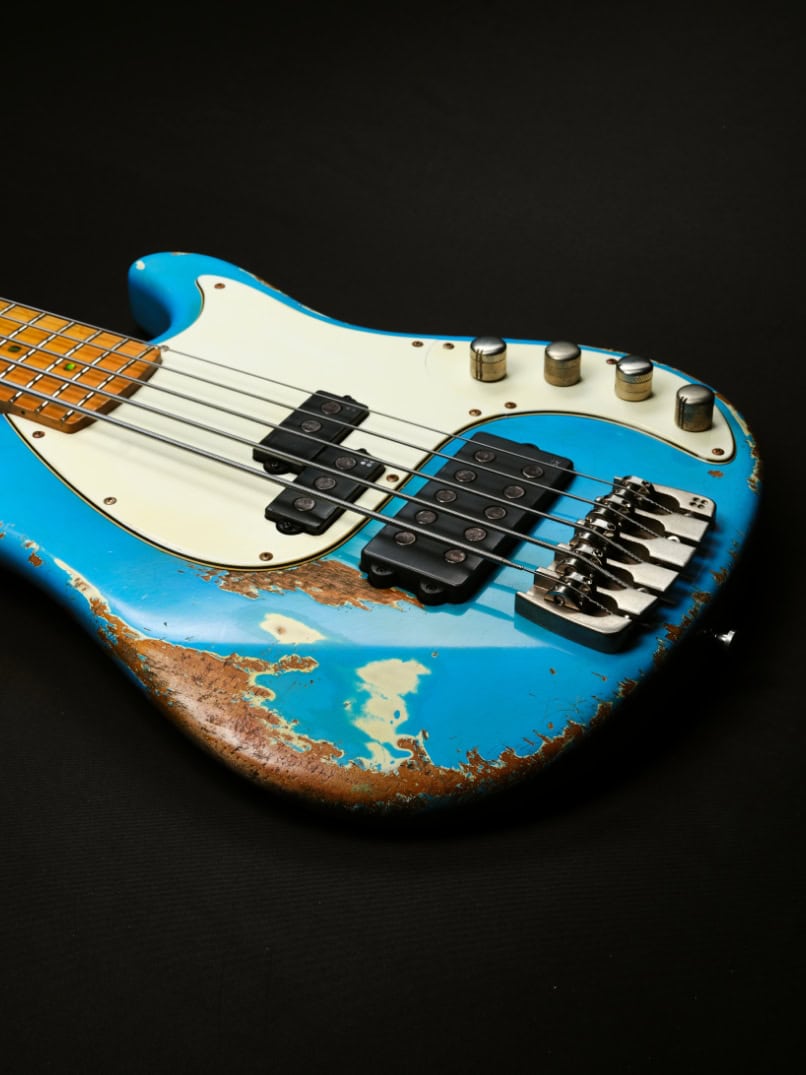
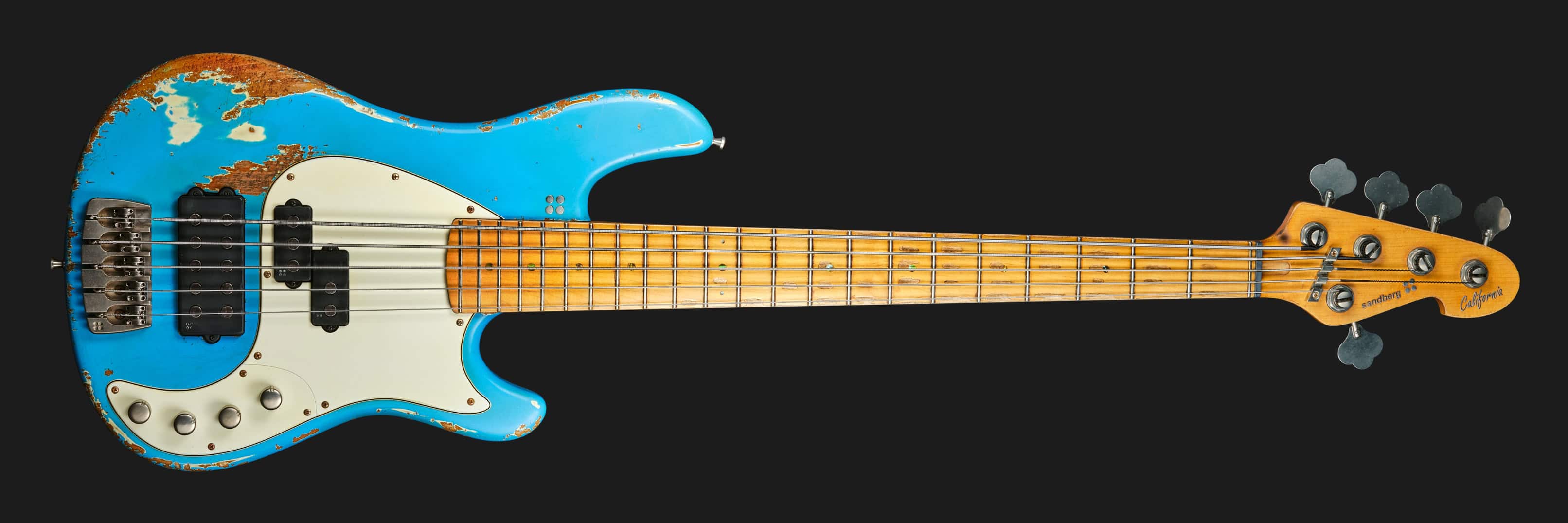
Marley Blue is a bright, slightly chalky sky blue. On this one, however, it has been worn down through a cream undercoat before it reaches bare alder.
As a result, you don’t get a hard blue-to-wood edge. Instead, you get that layered look old refinished basses have. In other words, the cream shows in the middle of the wear, whereas the grain comes through at the deepest points.
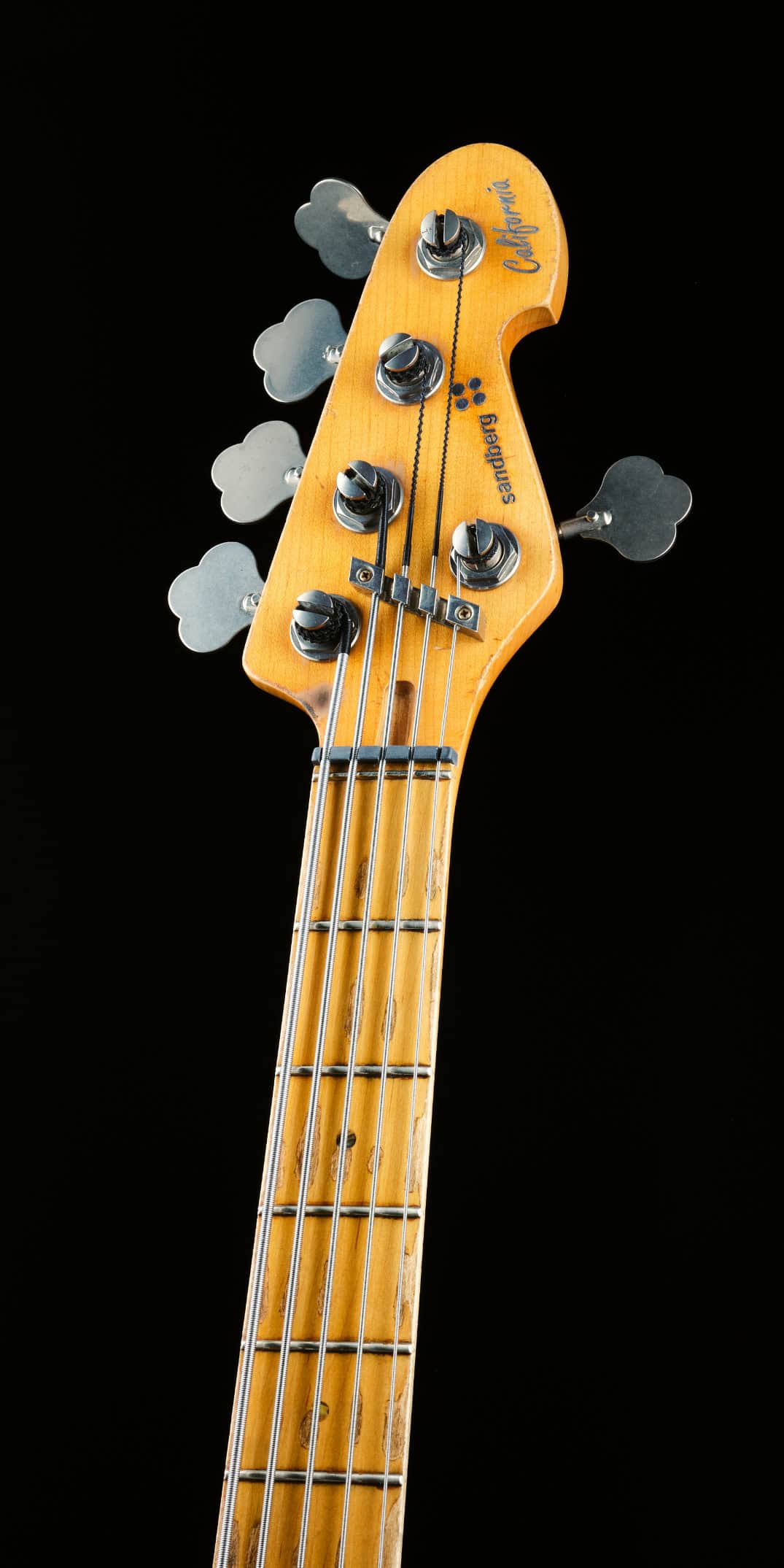
The lower horn and the whole back are worn through. Furthermore, the cream pickguard has gone dull and slightly yellow. Similarly, the nickel on the bridge, tuners and knobs has been rubbed off the high spots.
Next to it, the natural maple neck and headstock look like thirty years of hands have been on them. For me personally, that’s what sells it, right?
Masterpiece is the one relic job we stock where the tone follows the looks — the thin finish and the heat and vibration treatment do as much work as the sandpaper does.
Body, Neck & Woods
Treated alder, thin finish
The body is alder, heat and vibration treated before assembly. Basically, Sandberg does in a controlled way what decades of string energy and dry air would otherwise do slowly.
Alder is the most even-handed of the classic body woods to start with. For example, it has a strong fundamental, warm lower mids and no spikes anywhere in the range.
Furthermore, the treatment loosens it up, which means the notes bloom rather than just start. Moreover, the thin Masterpiece finish leaves the wood freer to move than any gloss bass will. In fact, you feel that against your ribs before the amp gets involved.
Maple on maple
The neck is Canadian hard rock maple on six bolts. However, it has a maple fingerboard rather than the more usual rosewood.
In my opinion, that’s a real tonal choice and not a cosmetic one. In fact, maple on maple is brighter, quicker in the attack and more articulate through the upper mids. As a result, a five-string doesn’t turn to mush when the arrangement fills up.
Twenty-two frets over a flat 14″ radius take low action and a light right hand. In addition, there’s a zero fret at the top with a string guide behind it.
Consequently, open strings ring with the same metal-on-metal character as fretted ones. Furthermore, the first-position action is set by fret height instead of nut slot depth.
34″ scale, 44.6 mm nut
The scale is 34″ with a 44.6 mm nut. Therefore this plays like a five you already know rather than a stretch.
Moreover, the B stays woody and vocal instead of piano-tight, and that’s the voicing the whole platform is built around.
In addition, string spacing at the bridge adjusts from 18 mm to 19.5 mm. As a result, you set the spacing to your right hand instead of adapting to the bass.
Electronics, Sound & Feel
Reverse split-coil
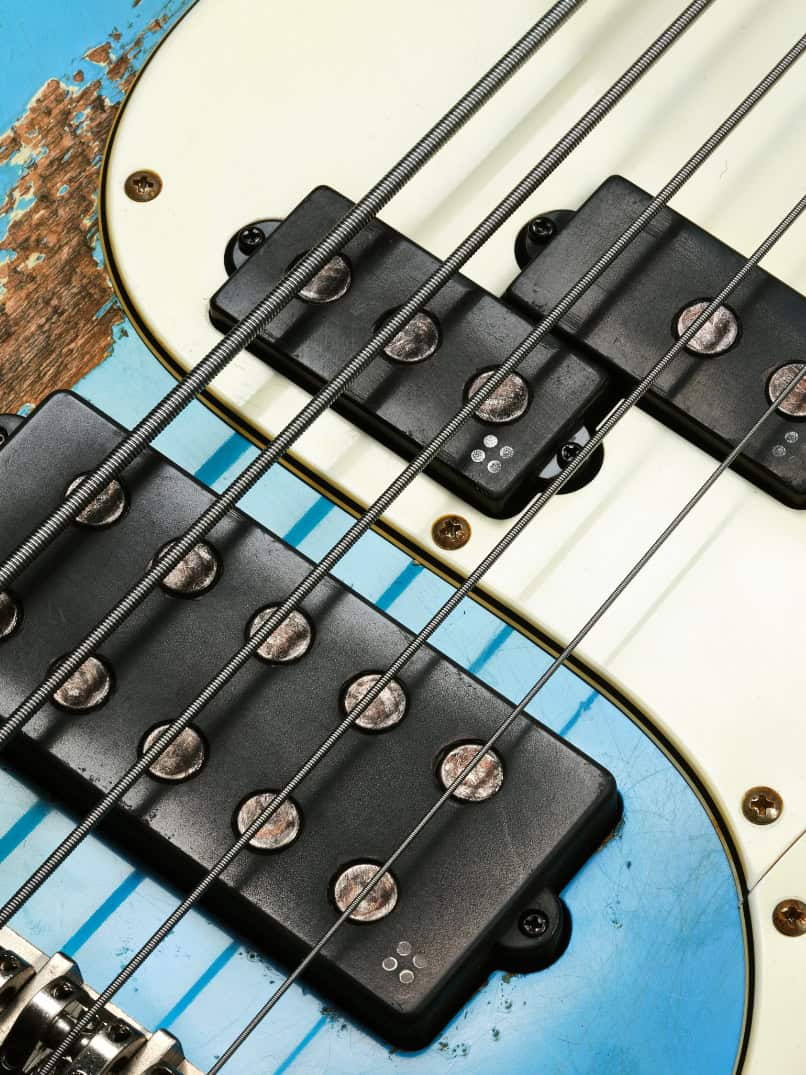
VM means a reverse split-coil in the neck position and a Sandberg Power Humbucker at the bridge.
Reversing the split-coil moves the poles under the low strings closer to the bridge. As a result, it tightens and focuses the bottom. In other words, it’s the difference between a low B that speaks and one that just rumbles.
Soloed, it’s basically the thick mid-forward Precision voice, with the ends of the notes tidied up.
Power Humbucker and blend
The bridge humbucker, on the other hand, is dense, loud and aggressive. In fact, it has the growl that cuts over a distorted guitar before you touch the EQ.
Blended, you land where I would say most players actually live. For example, you get split-coil weight underneath and humbucker bite on top.
2-band preamp
The Sandberg 2-band preamp boosts and cuts bass and treble. Furthermore, pulling the volume knob drops the bass into passive. In passive, the treble control turns into a real tone control rather than a dead knob.
So if a battery quits mid-set, is that a problem? Not really, because it costs you the boost and not the gig.
What’s not to like?
This is the VM for players who want the punchy end of the platform. The maple board pushes the attack forward. Meanwhile, the treated alder and thin finish keep the body open underneath.
In addition, the split-coil-plus-humbucker pairing covers old-school weight, modern slap and rock grind without a pedal in the chain.
Above all, the first ding on a Masterpiece is already there. Someone in Braunschweig put it there for you, and did a far better job of it than you would have, that’s for sure. So, what’s not to like?
Specs
Body
- Body Wood
- Alder, heat and vibration treated
- Color
- Marley Blue
- Body Finish
- Masterpiece
- Pickguard
- Cream, aged
Neck
- Neck Wood
- Canadian hard rock maple, bolt-on (6-bolt)
- Fingerboard
- Maple with dot inlays
- Fretboard Radius
- 14"
- Scale
- 34" (864 mm)
- Frets
- 22 plus zero fret
- Nut
- 44.6 mm, with string guide behind the zero fret
- Strings
- 5
- Headstock
- Natural maple, aged
- Position Inlays
- Dots
- Tuning
- Standard
Weight
- Weight
- 4.03Kg
Electronics
- Pickups
- Sandberg reverse split-coil (neck) / Sandberg Power Humbucker (bridge)
- Preamp
- Sandberg 2-band, active / passive, passive tone control
- Controls
- Volume (push/pull active-passive), balance, bass, treble
Hardware
- Bridge
- Sandberg, adjustable string spacing 18 mm to 19.5 mm
- Hardware Finish
- Aged nickel
- Includes
- Sandberg gig bag